The Container StoreStorage for every budget, style, and space
Bed Bath & BeyondDesigner brands & home goods at the lowest prices online
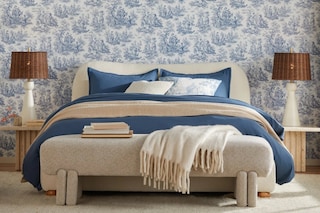
Kirkland’sHome decor and uniquely distinctive gifts

To sleep cooler, use breathable bedding materials like bamboo or cotton, improve airflow with fans, keep your bedroom between 60–67°F, and avoid alcohol and heavy meals before bed. Cooling pillows and mattress pads can also help regulate your body temperature throughout the night.
Summer comes with a lot of great things: pool parties, road trips, and barbecues. But it also comes with one thing that many people don't love. It's hot. And if it's too hot when you're trying to sleep, you may end up not sleeping much at all. And that's not good for anyone. So check out our tips on how to sleep cool.
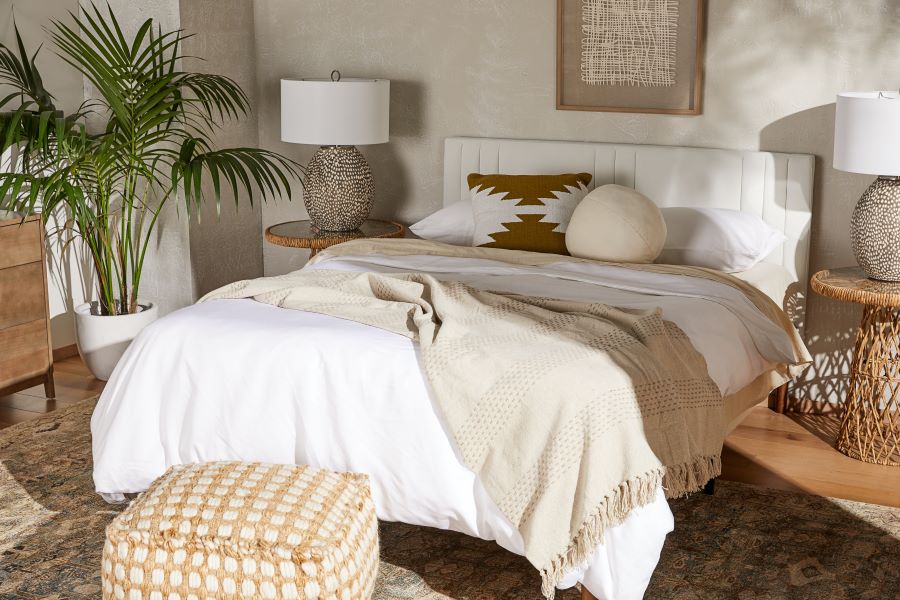
Your body temperature naturally drops as you fall asleep, essentially cooling down and going into maintenance mode. If the ambient temperature is too hot, it can disrupt your natural sleep cycle, making it difficult to fall and stay asleep, which is exactly why staying cool is so important. When you don't get enough sleep, it can interrupt cognitive function and overall health. The ideal room temperature for sleep is somewhere between 60 and 67 degrees Fahrenheit, which helps keep your body cool so you can rest.
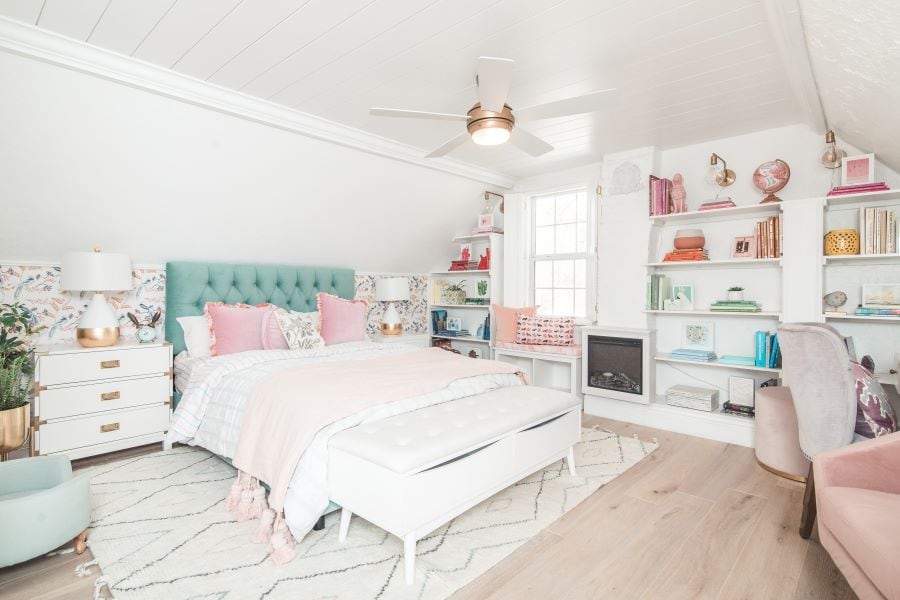
The first step to sleeping cool is doing everything you can to get your room in that mid 60 degree range. There are a few simple additions you can make to your home to keep things from getting too toasty, even during the summer.
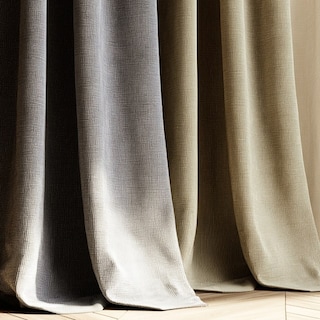
Sunlight pouring through your windows can quickly heat up your room. Keep your space cool by insulating it from the sunshine. The easiest way to do this is with blackout curtains, especially those with thermal properties that block both light and heat so the temperatures in your room don't rise too much during the day.
The obvious solution to the "keep your room cool" problem is air conditioning. But for one reason or another, that may not be an option. For instance, maybe your house or apartment doesn't have central AC. Portable air conditioners or window units meant to cool a single room can be a good option. Air conditioners can be expensive to run, but if you need to cool only one room, these smaller AC units can make a great solution.
Another option for cooling the air is an evaporative cooler. These coolers, also known as swamp coolers, pass the hot, dry air of your home over wet pads, cooling your room through evaporation. These coolers are more energy efficient than most air conditioners. However, they only work in hot and dry climates. If you're living in a humid area like Hawaii or the South, a swamp cooler won't do you much good.
In this case, your best bet will probably be a fan. Even with air conditioner or a swamp cooler, a fan is a good idea. Fans help cool you down in two ways. First by blowing away the air directly around you that has been heated up by your body, and second by evaporating any sweat on your skin, helping you feel cooler. Pairing a fan with a breeze from an open window (or even with a second fan) creates a cross breeze, which helps remove stale air and bring fresher, cooler air into your space. Even if you can't install a ceiling fan, portable fans still get the job done.

The way you prep for bed can actually affect how cool you sleep. Avoid foods and activities that will raise your body temperature. Don't drink alcohol or caffein before bed as they dilate blood vessels, increasing blood flow and making you feel warm. Eating a heavy meal shortly before bed also fires up your metabolism, meaning your body is expending extra energy and increasing your body temperature. And if you love spicey foods, you may want to indulge long before bedtime. Spicy foods can trick your body into thinking it's overheating, causing you to feel warm. They can also lead to indigestion, which makes your body work harder and consequently feel warmer. Instead, focus on staying hydrated. Drink plenty of water. This will help regular your body temperature and allow you to produce sweat which, though gross, helps to keep you cool.
You can also externally cool your body before bed by swapping hot showers and baths for cool ones. When getting dressed for bed, stay away from form-fitting clothing and opt for loose pajamas made out of light, breathable fabrics that won't trap heat. These simple preparations will set you up in a good position to stay cool.

Bedding can make a huge difference when trying to sleep cool. Some materials trap and insulate heat such flannel sheets and traditional memory foam. These materials can also reduce air flow, leading to a hot and swampy sleeping experience. Replace your bedding and mattress with materials designed to keep you cool.
What is Cooling Bedding? Cooling bedding refers to sheets, blankets, and pillowcases made from breathable, moisture-wicking materials that pull heat away from your body and promote airflow. Unlike air conditioning, cooling bedding doesn't actively lower the temperature—instead, it uses the natural properties of fabrics like cotton percale, linen, and bamboo rayon to help regulate your body temperature passively throughout the night.
| Material | Breathability | Moisture-Wicking | Best For |
|---|---|---|---|
| Cotton Percale | High | Moderate | Hot sleepers who prefer a crisp feel |
| Linen | Very High | High | Hot and humid climates |
| Bamboo Rayon | High | High | Sensitive skin and eco-conscious sleepers |
| Cooling Nylon | Moderate | High | Active cooling and quick-dry needs |
Cooling sheets and blankets tend to be made from materials like cotton percale or Egyptian cotton, linen, silk, lyocell, rayon from bamboo, or other fabrics that are breathable, moisture wicking, and quick drying.
There are two main types of cooling sleep products:
Cooling pillows come in three different types. The first type of cooling pillow functions much like cooling bedding. These pillows are made of breathable materials that promote airflow to keep you cool. Gel cooling pillows are infused with a gel that is designed to draw heat away from your body and dissipate it, so you don't get too hot. The final type of pillow features phase change materials (PCM) that shift between a solid and liquid state to constantly absorb and disperse the heat from your body, keeping you more comfortable throughout the night.
Create a cooler foundation with a cooling mattress. Many mattress materials like latex or memory foam can trap heat and, because they are so dense, air doesn't move easily through or around them. This means that all of that heat gets absorbed. Like the pillows, cooling mattresses often use materials like PCMs and gel to pull heat away. They also often combine more traditional mattress designs, like lighter materials and pocket coil springs that allow for greater breathability so you stay cooler. If a cooling mattress seems like too big of an investment, a cooling mattress topper may be the best option.
What is the ideal room temperature for sleep? The ideal bedroom temperature for sleep is between 60 and 67 degrees Fahrenheit. This range supports your body's natural temperature drop during sleep and helps you fall asleep faster and stay asleep longer.
Do cooling pillows really work? Yes, cooling pillows can help regulate temperature. Breathable pillows promote airflow, gel-infused pillows draw heat away from your body, and phase-change material (PCM) pillows actively absorb and release heat throughout the night.
What fabrics are best for hot sleepers? Cotton percale, linen, and bamboo rayon are excellent choices for hot sleepers. These materials are breathable, moisture-wicking, and help keep you cool by allowing air to circulate and pulling heat away from your body.
What's the difference between passive and active cooling bedding? Passive cooling relies on breathable materials that naturally promote airflow, while active cooling uses gel infusions or phase-change materials to absorb and dissipate body heat.
Can a fan help me sleep cooler? Yes, fans improve airflow and help evaporate sweat, which cools your skin. Creating a cross breeze with an open window or a second fan can make your room feel even cooler.
Now that you know how to sleep cool, check out our Ultimate Bed Sheet Sizes Chart to help you choose the right bed sheets, and our post on How to Choose the Best Umbrella for Your Patio to help you stay cool during the summer days.